ستم، مقاومت و دادگاههای بستهٔ روایت دولتی
گزارشِ تلویزیون رُژن | دوشنبه ۲۱ مهر ۱۴۰۴ خورشیدی / ۱۳ اکتبر ۲۰۲۵ میلادی
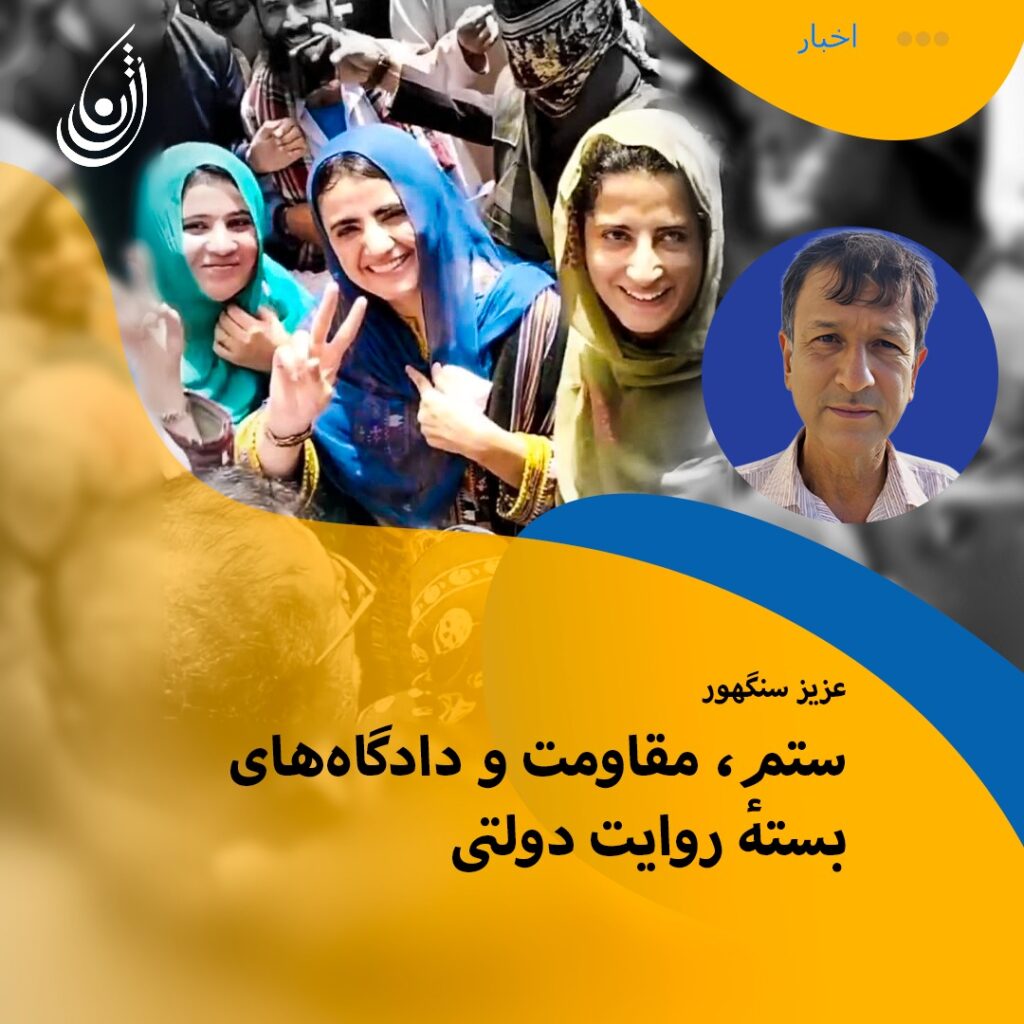
عزیز سنگھور
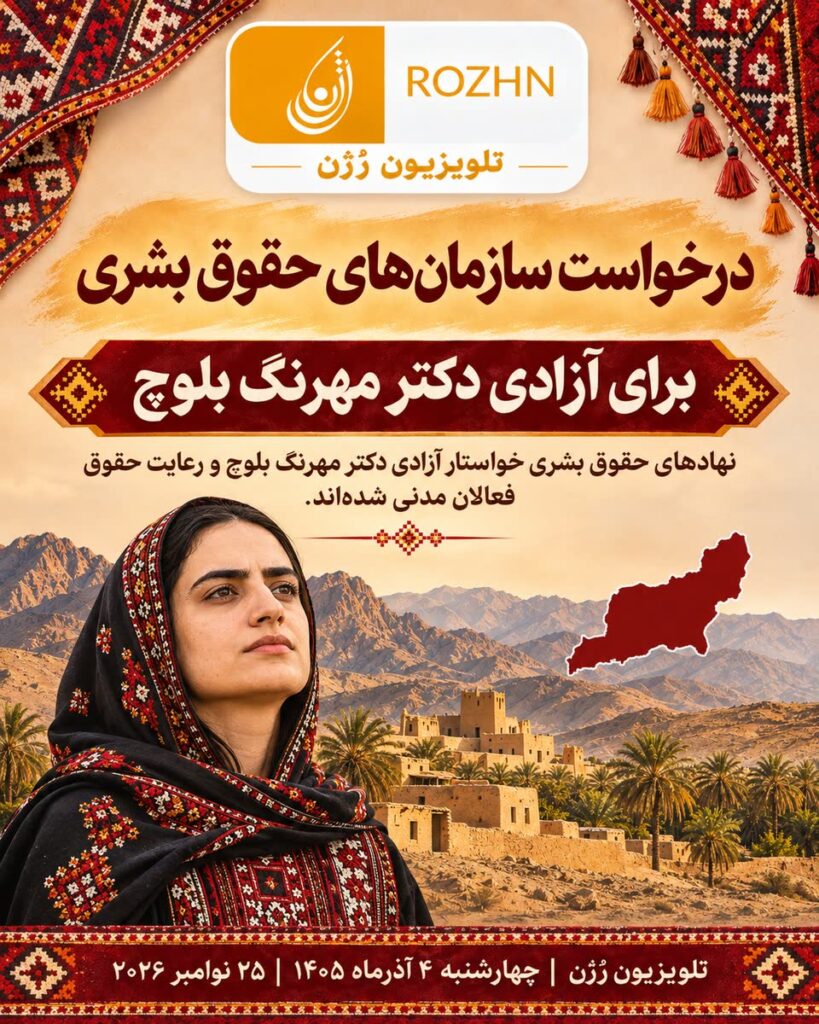
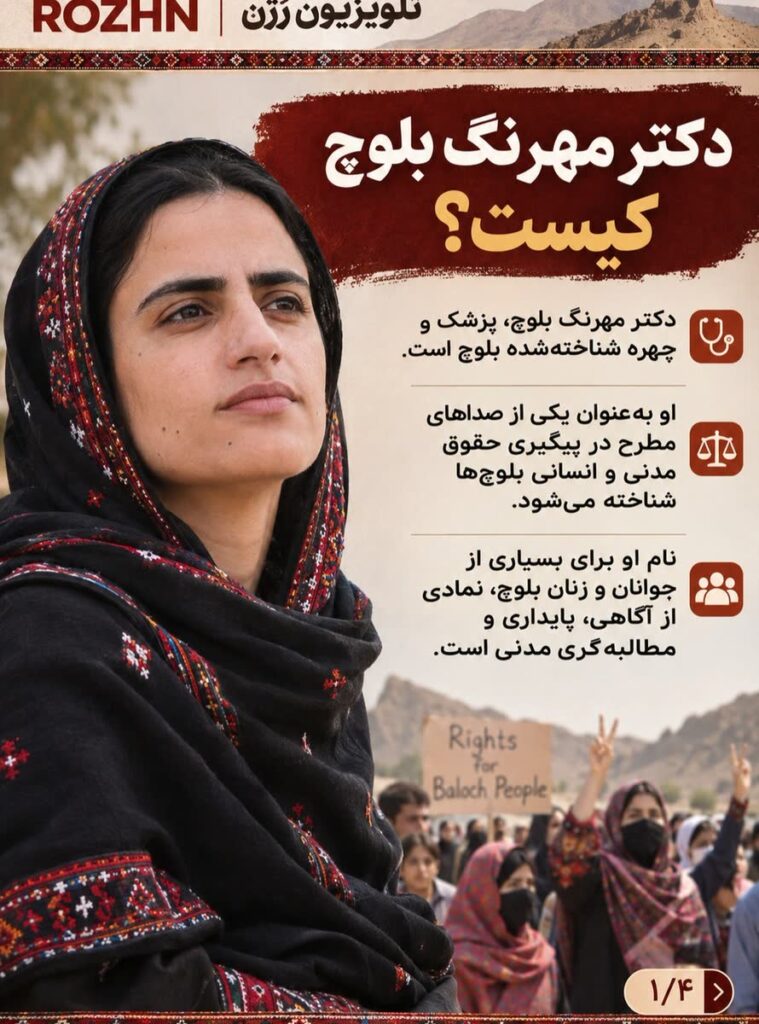
در یازدهم اکتبر ۲۰۲۵، تاریخ بلوچستان برگ دیگری از تاریکی را رقم زد. رهبری «کمیتهٔ همبستگی بلوچها» (BYC) که شامل دکتر ماهرَنگ بلوچ، بیبو بلوچ، گلزادی بلوچ، بیبرگ بلوچ و واجه صبغتالله شاهجی بود، بار دیگر در محوطهٔ زندان محاکمه شد — نه در دادگاهی علنی، بلکه در پشت درهای بسته. این «دادگاه درون زندان» نهتنها اصول عدالت را زیر سؤال برد، بلکه فقدان شفافیت در نظام قضایی پاکستان را آشکار ساخت.
بهگفتهٔ منابع مطلع، تصمیم برگزاری دادگاه در زندان صرفاً اقدامی امنیتی نبود، بلکه تلاشی آگاهانه برای پنهانکاری و دور نگهداشتن افکار عمومی از روند دادرسی بود. خانوادهها، وکلا، خبرنگاران و ناظران حقوق بشر از حضور در جلسه منع شدند — اقدامی که نقض آشکار قانون اساسی پاکستان و نیز معیارهای بینالمللی حقوق بشر است. مادهٔ ۱۰-الف قانون اساسی پاکستان به روشنی حق محاکمهٔ عادلانه را تضمین میکند، اما برای فعالان سیاسی بلوچ، این حق به رؤیایی دستنیافتنی بدل شده است.
پروندههای قضایی علیه رهبری BYC در حقیقت ادامهٔ همان مبارزهٔ تاریخی مردم بلوچستان است که دهههاست در برابر ناپدیدسازیهای اجباری، قتلهای فراقانونی و عملیات نظامی ایستادهاند. دکتر ماهرَنگ بلوچ و یارانش نه تنها کنشگران سیاسی، بلکه صدای مردم ستمدیدهای هستند که بهطور سیستماتیک خاموش میشوند. بیبرگ بلوچ — که در انفجاری از ناحیهٔ پا و ستون فقرات آسیب دید و اکنون از ویلچر استفاده میکند — و صبغتالله شاهجی — وارث فکری گفتمان سیاسی بلوچ — از چهرههای محوری این کاروان اندیشه و مقاومتاند.
در همان روزها، پایتخت ایالت بلوچستان، کویته، شاهد واقعهای تکاندهنده بود. در ۱۰ اکتبر، ۲۰ جسد موجود در بیمارستان ملکی کویته رسماً «بیصاحب» اعلام شدند و زیر نظارت «مؤسسهٔ خیریه چھیپا» در گورستان «دشت تیرهمیل» دفن گردیدند. در این تدفین، نمایندگان نهادهای دولتی و داوطلبان چھیپا حضور داشتند؛ اما نه دادگاهی تحقیقاتی تشکیل شد و نه به خانوادهها فرصت شناسایی اجساد داده شد.
بهگفتهٔ منابع محلی، چهار تن از این اجساد از منطقهٔ «منگچر» آورده شده بودند که هویتشان با نامهای گلخان معروف به یاسین، عنایتالله، عزتالله و شیمراد مشخص گردید، اما ۱۶ جسد دیگر هنوز ناشناساند. محافل ملیگرای بلوچ و سازمانهای حقوق بشری با ابراز نگرانی شدید، دولت را متهم کردند که این ……
به گفتهٔ ساکنان محل، در هنگام بمباران هیچ درگیری مسلحانهای در جریان نبود و حمله کاملاً ناگهانی و نامتناسب بود. خانهها ویران شدند و دهها خانواده ناچار به ترک محل گشتند.
پس از این رویداد، حزب «بلوچستان نشنل پارتی» (BNP) با صدور بیانیهای بمباران مناطق مسکونی و تخریب اموال مردم را محکوم کرد و آن را نقض حرمت خانهها و زندگی مدنی دانست. این حزب از دولت خواست تا فوراً عملیات نظامی علیه غیرنظامیان را متوقف و اقدامات امدادی برای آسیبدیدگان آغاز کند.
روایت رسمی دولت همچنان حول محور «مبارزه با تروریسم» میچرخد، اما واقعیت زمینی بلوچستان چهرهای دیگر دارد. در حالی که اجساد کسانی که «تروریست» نامیده میشوند در گورهای جمعی دفن میشوند، خانوادههایشان در پی عدالت درِ دادگاهها را میکوبند — دادگاههایی که حالا به زندانها منتقل شدهاند.
بلوچستان پیشتر نیز شاهد چنین دادرسیهای پشت درهای بسته بوده است. اما این محاکم نه امنیت را افزایش دادهاند و نه عدالت را تقویت؛ بلکه اعتماد عمومی را بیشتر تضعیف کردهاند.
رویدادهای بلوچستان دیگر صرفاً آمار و ارقام نیستند، بلکه به فاجعهای انسانی بدل شدهاند. هر جسد، هر فرد ناپدیدشده، و هر خانهٔ ویران، پرسشی است که دولت از پاسخ به آن ناتوان است. کسانی که علیه ناپدیدسازیها و قتلهای فراقانونی اعتراض میکنند، اکنون خود به اتهام «خیانت» یا «تروریسم» روبهرو میشوند.
مبارزهٔ دکتر ماهرَنگ بلوچ در حقیقت نماد همین پرسش انسانی است — که تا کی یک دولت شهروندان خود را دشمن خواهد پنداشت؟ تا چه زمان رنج، سکوت و مقاومت مردم بلوچ در پس پردهٔ سانسور رسانهای پنهان خواهد ماند؟
داستان بلوچستان دیگر فقط داستان مقاومت نیست؛ بلکه داستان بقا و انسانیت است. در حالی که دادگاههای بسته دروازههای عدالت را میبندند، مردم بلوچ در حافظهٔ جمعی خود این پرسش را زنده نگاه داشتهاند: عدالت کی فرا خواهد رسید؟
این پرسش فقط پرسش بلوچها نیست، بلکه آزمونی است برای تمام نظام سیاسی و قضایی پاکستان. زیرا هنگامی که عدالت در پشت دیوارهای زندان محبوس شود، ستم دیگر صرفاً یک عمل نیست — بلکه به یک نظام تبدیل میشود.
ENOppression, Resistance and the Closed Courts of the State NarrativeRead in English
Rozhn TV | Monday, October 13, 2025
Aziz Sanghur
On October 11, 2025, the history of Balochistan wrote another page of darkness. The leadership of the Baloch Yakjehti Committee (BYC), including Dr. Mahrang Baloch, Bibo Baloch, Gulzadi Baloch, Bibarg Baloch and Waja Sibghatullah Shahji, was once again tried inside a prison compound, not in an open court but behind closed doors. This “trial inside the prison” not only called the principles of justice into question but also exposed the lack of transparency in Pakistan’s judicial system.
According to informed sources, the decision to hold the trial in the prison was not merely a security measure but a deliberate attempt at concealment and at keeping public opinion away from the proceedings. Families, lawyers, journalists and human rights observers were barred from attending the session, a clear violation of Pakistan’s constitution as well as of international human rights standards. Article 10-A of Pakistan’s constitution explicitly guarantees the right to a fair trial, but for Baloch political activists this right has become an unattainable dream.
The court cases against the BYC leadership are in fact a continuation of the historic struggle of the people of Balochistan, who for decades have stood against enforced disappearances, extrajudicial killings and military operations. Dr. Mahrang Baloch and her comrades are not only political activists but the voice of an oppressed people who are being systematically silenced. Bibarg Baloch, who was injured in the legs and spine in an explosion and now uses a wheelchair, and Sibghatullah Shahji, the intellectual heir of Baloch political discourse, are central figures of this caravan of thought and resistance.
In those same days, Quetta, the capital of Balochistan province, witnessed a shocking event. On October 10, 20 bodies held at the Civil Hospital in Quetta were officially declared “unclaimed” and were buried in the Dasht Tirahmil cemetery under the supervision of the Chhipa Welfare Foundation. Representatives of government bodies and Chhipa volunteers were present at the burial; yet no investigative court was convened, and the families were given no chance to identify the bodies.
According to local sources, four of these bodies had been brought from the Mangchar area, and their identities were established as Gul Khan, known as Yasin, Inayatullah, Izzatullah and Shay Murad, but the other 16 bodies are still unidentified. Baloch nationalist circles and human rights organizations, expressing grave concern, accused the government of ……
According to residents of the area, no armed clash was under way at the time of the bombardment, and the attack was completely sudden and disproportionate. Houses were destroyed and dozens of families were forced to leave the area.
Following this event, the Balochistan National Party (BNP) issued a statement condemning the bombardment of residential areas and the destruction of people’s property, calling it a violation of the sanctity of homes and of civilian life. The party called on the government to immediately halt military operations against civilians and begin relief measures for the affected.
The government’s official narrative continues to revolve around “the fight against terrorism,” but the reality on the ground in Balochistan has a different face. While the bodies of those called “terrorists” are buried in mass graves, their families are knocking on the doors of courts in search of justice, courts that have now been moved into prisons.
Balochistan has witnessed such closed-door proceedings before. But these tribunals have neither increased security nor strengthened justice; rather, they have further eroded public trust.
The events in Balochistan are no longer merely statistics; they have turned into a human catastrophe. Every body, every disappeared person and every destroyed home is a question the state is unable to answer. Those who protest against disappearances and extrajudicial killings now themselves face charges of “treason” or “terrorism.”
Dr. Mahrang Baloch’s struggle is in fact a symbol of this very human question: how long will a state regard its own citizens as enemies? For how long will the suffering, silence and resistance of the Baloch people remain hidden behind the curtain of media censorship?
The story of Balochistan is no longer only a story of resistance; it is a story of survival and humanity. While closed courts shut the gates of justice, the Baloch people have kept alive in their collective memory the question: when will justice arrive?
This question does not belong to the Baloch alone; it is a test for the entire political and judicial system of Pakistan. For when justice is imprisoned behind prison walls, oppression is no longer merely an act; it becomes a system.