ناصر تقوایی؛ فیلمساز، نویسنده و عکاس برجستهی ایرانی
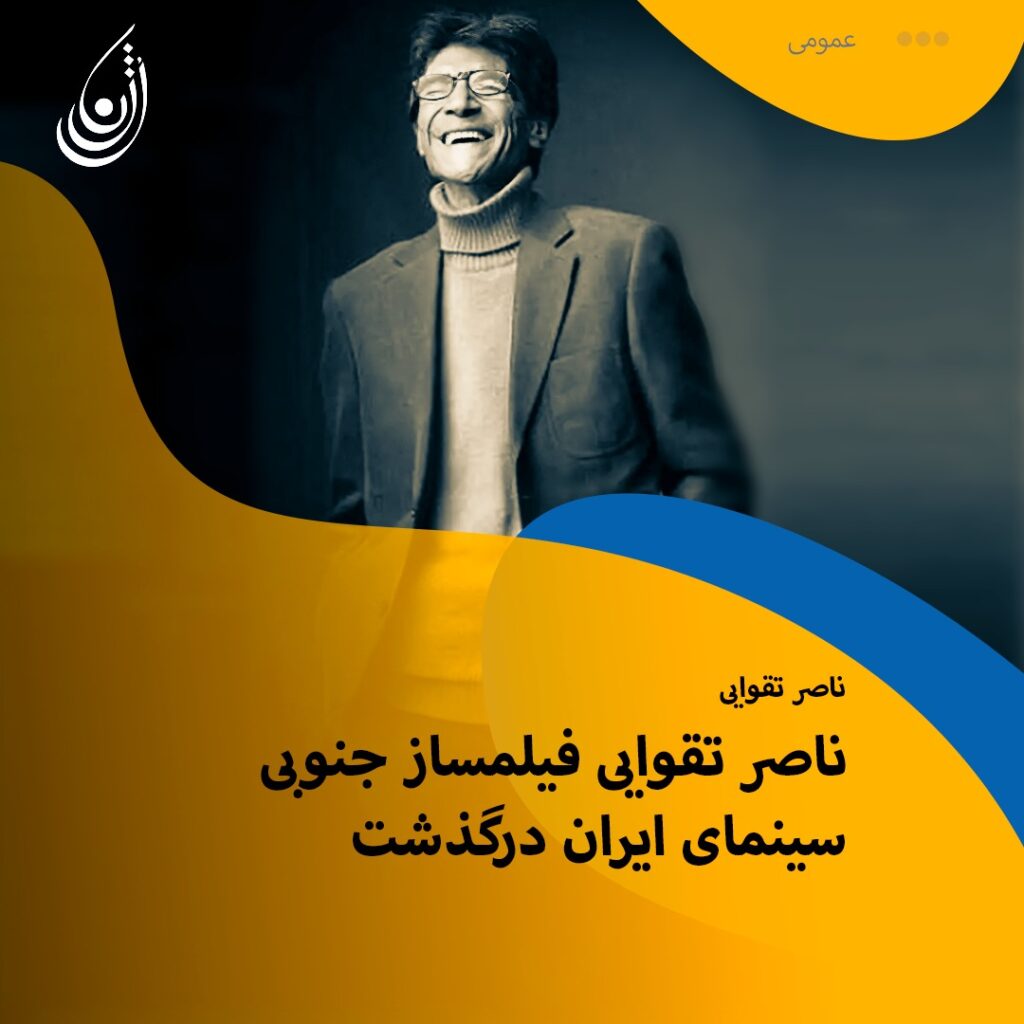
گزارشِ تلویزیون رُژن | سهشنبه ۲۲ مهر ۱۴۰۴ خورشیدی / ۱۴ اکتبر ۲۰۲۵ میلادی
ناصر تقوایی، فیلمساز، نویسنده و عکاس شناختهشدهی ایرانی، در هشتاد و چهار سالگی درگذشت.
او با ساخت سریال ماندگار «داییجان ناپلئون» به شهرتی گسترده در میان مردم ایران دست یافت و از چهرههای تأثیرگذار و جریانساز سینمای معاصر به شمار میرفت.
تقوایی متولد تیرماه ۱۳۲۰ در آبادان بود و فعالیت هنری خود را با ساخت مستندهایی دربارهی زندگی مردم جنوب ایران آغاز کرد. آثار مستند اولیهی او تصویری تازه و مردمشناسانه از فرهنگ بومی ارائه دادند و به شکلگیری نگاهی جدید در مستندسازی ایرانی انجامید.
در ادامهی مسیر هنری، تقوایی وارد سینمای داستانی شد و با روایتی انسانی، اجتماعی و ریشهدار در واقعیتهای جنوب ایران، از برجستهترین فیلمسازان مؤلف کشور بهشمار آمد. او در گفتوگوهای خود همواره بر استقلال هنرمند و آزادی خلاقیت در سینما تأکید داشت و باور داشت که فیلمساز باید «بیهراس از واقعیت سخن بگوید».
در دو دههی پایانی عمر، بهدلیل محدودیتهای تولید، کمتر به ساخت فیلم پرداخت، اما نقش او در تربیت و الهامبخشی به نسل تازهای از فیلمسازان ایرانی پایدار و ماندگار ماند.
ناصر تقوایی از پیشگامان نگاه مردمشناسانه در سینمای ایران بود و جنوب کشور را بهعنوان بخش مهمی از هویت فرهنگی ایران در آثار خود بازتاب داد.
فهرست آثار ناصر تقوایی
فیلمهای سینمایی:
* صادق کرده (۱۳۵۱)
* نفرین (۱۳۵۲)
* ناخدا خورشید (۱۳۶۵)
* ای ایران (۱۳۶۸)
* کشتی یونانی (۱۳۷۷، اپیزود از مجموعهی «قصههای کیش»)
* کاغذ بیخط (۱۳۸۰)
سریال تلویزیونی:
* داییجان ناپلئون (۱۳۵۵)
مستندها و فیلمهای کوتاه:
* باد جن (۱۳۴۸)
* پنجشنبهبازار میناب (۱۳۴۹)
* نخل (۱۳۴۹)
* آرایشگاه آفتاب (۱۳۴۹)
* نانخورهای بیسواد (۱۳۴۹)
* تاکسیمتر (۱۳۴۹)
* موسیقی جنوب (۱۳۵۰)
* مشهد قالی (۱۳۵۱)
* اربعین (۱۳۵۲)
* تمرین آخر (۱۳۸۳)
ENNaser Taghvai: Prominent Iranian Filmmaker, Writer and PhotographerRead in English
Rozhn TV | Tuesday, October 14, 2025
Naser Taghvai, the well-known Iranian filmmaker, writer and photographer, has died at the age of 84.
He achieved wide fame among the Iranian public with his enduring series “My Uncle Napoleon,” and was regarded as one of the influential, trend-setting figures of contemporary cinema.
Taghvai was born in Tir 1320 (June–July 1941) in Abadan and began his artistic career by making documentaries about the life of the people of southern Iran. His early documentary works offered a fresh, anthropological image of indigenous culture and led to the formation of a new outlook in Iranian documentary-making.
Continuing along his artistic path, Taghvai entered narrative cinema and, with a humane, social narrative rooted in the realities of southern Iran, came to be regarded as one of the country’s foremost auteur filmmakers. In his interviews he always stressed the independence of the artist and freedom of creativity in cinema, and believed that a filmmaker must “speak without fear of reality.”
In the last two decades of his life, because of production restrictions, he made fewer films, but his role in training and inspiring a new generation of Iranian filmmakers remained lasting and enduring.
Naser Taghvai was among the pioneers of the anthropological outlook in Iranian cinema and reflected the south of the country in his works as an important part of Iran’s cultural identity.
List of Naser Taghvai’s Works
Feature films:
* Sadegh Kordeh (1972–73)
* Curse (1973–74)
* Captain Khorshid (1986–87)
* O Iran (1989–90)
* The Greek Ship (1998–99, an episode of the “Kish Tales” anthology)
* Unruled Paper (2001–02)
TV series:
* My Uncle Napoleon (1976–77)
Documentaries and short films:
* Jinn Wind (1969–70)
* Minab Thursday Market (1970–71)
* Palm (1970–71)
* Aftab Barbershop (1970–71)
* The Illiterate Bread-Eaters (1970–71)
* Taximeter (1970–71)
* Music of the South (1971–72)
* Mashhad Ghali (1972–73)
* Arbaeen (1973–74)
* The Last Rehearsal (2004–05)