بلوچستانگزارش بلند
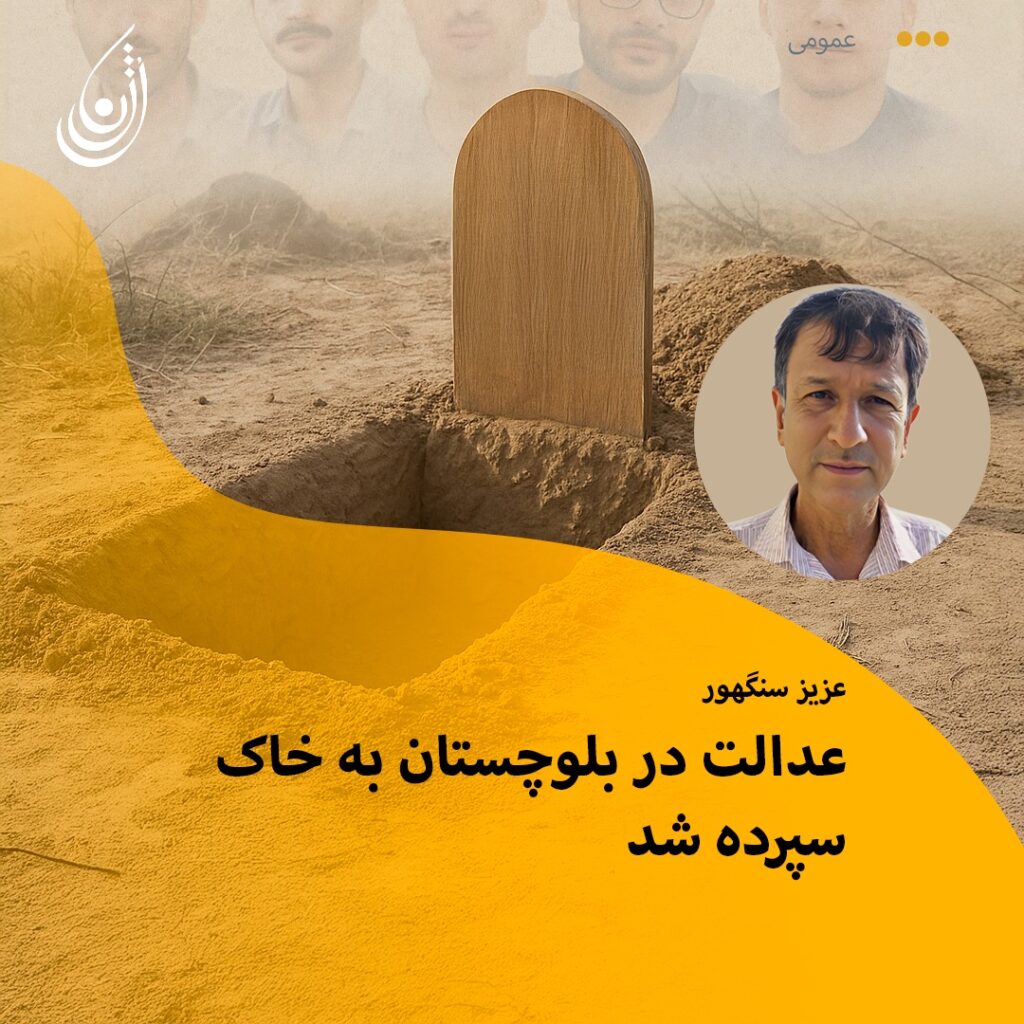
عدالت در بلوچستان به خاک سپرده شد
تلویزیون رُژن | امروز جمعه ۲ آبان ۱۴۰۴ خورشیدی / ۲۴ اکتبر ۲۰۲۵ میلادی
عزیز سنگھور
اقدام اخیر دولت بلوچستان در گنجاندن نام فعالان حقوق بشر، دانشجویان و کنشگران اجتماعی در «فهرست چهارم» قانون مبارزه با تروریسم، پژواکی است از فاجعهای که به نماد سوءاستفاده کورکورانه از قدرت حکومتی بدل شده است.
در میان این افراد میتوان از دکتر صبیحه بلوچ، دکتر شَلی بلوچ، سمی دین بلوچ، نازگل، سید بیبی، شکیل، عبدالغنی، حبیبالله، محمد طارق و شفیقالرحمن ساسولی یاد کرد؛ کسانی که در مناطق خود علیه ناپدیدسازیهای اجباری، نقض حقوق بشر و سرکوب دولتی، مقاومت مسالمتآمیز کردهاند.
کمیسیون حقوق بشر پاکستان (HRCP) با ابراز نگرانی شدید نسبت به این تصمیم اعلام کرده است که معرفی مخالفان سیاسی و مدافعان حقوق بشر بهعنوان تهدید امنیتی، اقدامی واپسگرایانه و ضد دموکراتیک است. کمیسیون تأکید میکند که چنین رفتارهایی آزادی بیان، حق تجمع و آزادی رفتوآمد را بهشدت محدود میسازد؛ همان حقوقی که بنیان هر نظام دموکراتیکی بر آن استوار است.
این نخستین بار نیست که فعالان بلوچ هدف قوانین ضدتروریسم قرار گرفتهاند. پیشتر نیز دانشجویان، روزنامهنگاران و کنشگران بلوچ با برچسب «دشمنان دولت» بازداشت و سرکوب شدهاند. اما این بار تفاوت در آن است که همه این اقدامات در پوشش یک توجیه قانونی سازمانیافته صورت میگیرد. قانون مبارزه با تروریسم مصوب ۱۹۹۷، که برای مقابله با خشونت افراطی تدوین شده بود، اکنون به ابزاری برای خاموش کردن صدای مخالفان سیاسی بدل شده است.
کمیته همبستگی بلوچ، این تصمیم را نقض آشکار اصول دموکراتیک و ضمانتهای قانون اساسی دانسته است. به گفتهی این سازمان، هیچ پروندهی حقوقی شفاف یا مدرک قابل استنادی علیه بیشتر افرادی که نامشان در فهرست چهارم آمده، وجود ندارد. این اسامی صرفاً بر پایه انگیزههای سیاسی افزوده شدهاند تا مبارزه مدنی و انسانی در بلوچستان رنگ مجرمانه به خود گیرد.
در شهرستان خضدار، نام دکتر صبیحه بلوچ، سمی دین و چند فعال محلی، و در شهرستان کیچ نام نازگل، سید بیبی و دکتر شلی بلوچ – که از برگزارکنندگان اصلی انجمن زنان بلوچ هستند – در فهرست گنجانده شده است. همچنین از شهرستان چاغی ۲۶ نفر، از جمله دانشجویان و سازماندهندگان اجتماعی، در تیررس این اقدام قرار گرفتهاند. اینان کسانیاند که برای صلح، عدالت و کرامت انسانی در بلوچستان فعالیت میکردند.
سؤال بنیادین این است: اگر دولت واقعاً در مبارزه با تروریسم جدی است، چرا فعالان مدنی و صلحطلب را هدف گرفته است؟ آیا مطالبهی عدالت، اعتراض به ناپدیدسازیها و دفاع از حقوق اساسی شهروندان جرم شمرده میشود؟
جنبه دردناکتر ماجرا این است که زنان بلوچ بهطور خاص هدف قرار گرفتهاند. دکتر ماهرَنگ بلوچ، دکتر صبیحه بلوچ، سمی دین و شلی بلوچ از چهرههای برجسته دفاع از حقوق بشر در سطح ملیاند. جرم آنان این است که سکوت نکردند، و همین نافرمانیِ اخلاقی از دید دولت «تهدید امنیتی» تعبیر شده است.
شش ماه است که رهبران کمیته همبستگی بلوچ – دکتر ماهرنگ بلوچ، کامرید بیبرگ بلوچ، شاهجی بلوچ، بیبو بلوچ و گلزادی بلوچ – بهطور غیرقانونی در بازداشت به سر میبرند. نخست با استفاده از قانون «سه MPO» بازداشت شدند، سپس بدون مدرک معتبر با پروندهسازیهای سیاسی در بازداشت ماندند. اکنون با وجود انتقال به بازداشت قضایی، جلسات دادگاهشان بیدلیل به تأخیر افتاده و حتی تصمیم گرفته شده است که محاکمات در داخل زندان برگزار شود؛ اقدامی که مشروعیت نظام قضایی را زیر سؤال میبرد.
رفتار نهادهای حکومتی نشان میدهد که روند قانونی در بلوچستان به صحنهای نمایشی تبدیل شده است. جایی که قانون نه برای عدالت، بلکه برای سرکوب به کار میرود، دیگر میان «شهروند» و «تروریست» تفاوتی باقی نمیماند. در چنین وضعی، دولت اقتدار اخلاقی خود را از دست میدهد.
اعتماد میان مردم و حاکمیت در بلوچستان پیش از این نیز متزلزل بود و چنین تصمیماتی شکاف میان دو سوی را عمیقتر میکند. سوءاستفاده از قوانین ضدتروریسم نه تنها برای بلوچستان، بلکه برای سراسر کشور یک زنگ خطر است. هنگامی که مخالفت به جرم بدل شود، گفتوگو میمیرد، و با مرگ گفتوگو، دولتها فرو میپاشند.
بلوچستان امروز به تفنگ نیاز ندارد، به عدالت نیاز دارد. دولت باید بپذیرد که مدافعان حقوق بشر دشمن نیستند، بلکه نگهبانان واقعی قانون، عدالت و کرامت انسانیاند. قرار دادن آنان در فهرست چهارم هرگز نمیتواند صدای آنان را خاموش کند، زیرا مبارزه برای انسانیت را با هیچ بخشنامهای نمیتوان متوقف ساخت.
دولت بلوچستان باید این تصمیم را فوراً لغو کرده، پروندههای ساختگی علیه فعالان را خاتمه دهد و فرآیند بازسازی اعتماد با مردم بلوچ را آغاز کند. در غیر این صورت، این تصمیم نه تنها نقض حقوق بشر، بلکه تیشهای بر ریشه مشروعیت و بنیانهای اخلاقی خود حکومت خواهد بود.
ENJustice Buried in BalochistanRead in English
Rozhn TV | Friday, October 24, 2025
Aziz Sanghur
The Balochistan government’s recent move to include the names of human rights activists, students and social activists in the “Fourth Schedule” of the Anti-Terrorism Act is an echo of a tragedy that has become a symbol of the blind abuse of state power.
Among these individuals are Dr. Sabiha Baloch, Dr. Shalee Baloch, Sammi Deen Baloch, Nazgul, Syed Bibi, Shakeel, Abdul Ghani, Habibullah, Muhammad Tariq and Shafiq-ur-Rehman Sasoli; people who in their own areas have peacefully resisted enforced disappearances, human rights violations and state repression.
The Human Rights Commission of Pakistan (HRCP), expressing deep concern over the decision, has stated that presenting political opponents and human rights defenders as a security threat is a regressive and anti-democratic step. The commission stresses that such conduct severely restricts freedom of expression, the right of assembly and freedom of movement; the very rights on which the foundation of every democratic system rests.
This is not the first time Baloch activists have been targeted by anti-terrorism laws. Previously, too, Baloch students, journalists and activists have been arrested and suppressed under the label of “enemies of the state.” But this time the difference is that all these actions are carried out under the cover of an organized legal justification. The Anti-Terrorism Act of 1997, which was drafted to counter extremist violence, has now become a tool for silencing the voices of political opponents.
The Baloch Yakjehti Committee (BYC) has called the decision a clear violation of democratic principles and constitutional guarantees. According to the organization, there is no transparent legal case or citable evidence against most of the people whose names appear in the Fourth Schedule. These names have been added purely out of political motives so that civil and humanitarian struggle in Balochistan takes on a criminal color.
In Khuzdar district, the names of Dr. Sabiha Baloch, Sammi Deen and several local activists, and in Kech district the names of Nazgul, Syed Bibi and Dr. Shalee Baloch – who are among the main organizers of the Baloch Women’s Association – have been included in the list. In addition, 26 people from Chagai district, including students and social organizers, have been put in the crosshairs of this measure. These are people who were working for peace, justice and human dignity in Balochistan.
The fundamental question is this: if the state is truly serious about fighting terrorism, why has it targeted civil and peace-loving activists? Is demanding justice, protesting disappearances and defending the basic rights of citizens considered a crime?
The more painful aspect of the matter is that Baloch women in particular have been targeted. Dr. Mahrang Baloch, Dr. Sabiha Baloch, Sammi Deen and Shalee Baloch are prominent national figures in the defense of human rights. Their crime is that they did not stay silent, and this moral disobedience has been interpreted by the state as a “security threat.”
For six months, the leaders of the Baloch Yakjehti Committee – Dr. Mahrang Baloch, Comrade Bibarg Baloch, Shah Jee Baloch, Bibo Baloch and Gulzadi Baloch – have been held illegally in detention. They were first detained under the “3 MPO” law, then kept in custody without valid evidence through politically motivated fabricated cases. Now, despite their transfer to judicial custody, their court hearings have been delayed for no reason, and it has even been decided that the trials will be held inside the prison; a move that calls the legitimacy of the judicial system into question.
The conduct of state institutions shows that the legal process in Balochistan has turned into a theatrical show. Where the law is used not for justice but for repression, no difference remains between “citizen” and “terrorist.” In such a situation, the state loses its moral authority.
Trust between the people and the authorities in Balochistan was already shaky, and such decisions deepen the rift between the two sides. The abuse of anti-terrorism laws is a warning bell not only for Balochistan but for the entire country. When dissent becomes a crime, dialogue dies, and with the death of dialogue, states collapse.
Balochistan today does not need guns; it needs justice. The state must accept that human rights defenders are not enemies but the true guardians of law, justice and human dignity. Placing them in the Fourth Schedule can never silence their voices, because the struggle for humanity cannot be stopped by any circular.
The Balochistan government must immediately revoke this decision, end the fabricated cases against activists, and begin a process of rebuilding trust with the Baloch people. Otherwise, this decision will be not only a violation of human rights but an axe laid to the root of the government’s own legitimacy and moral foundations.