
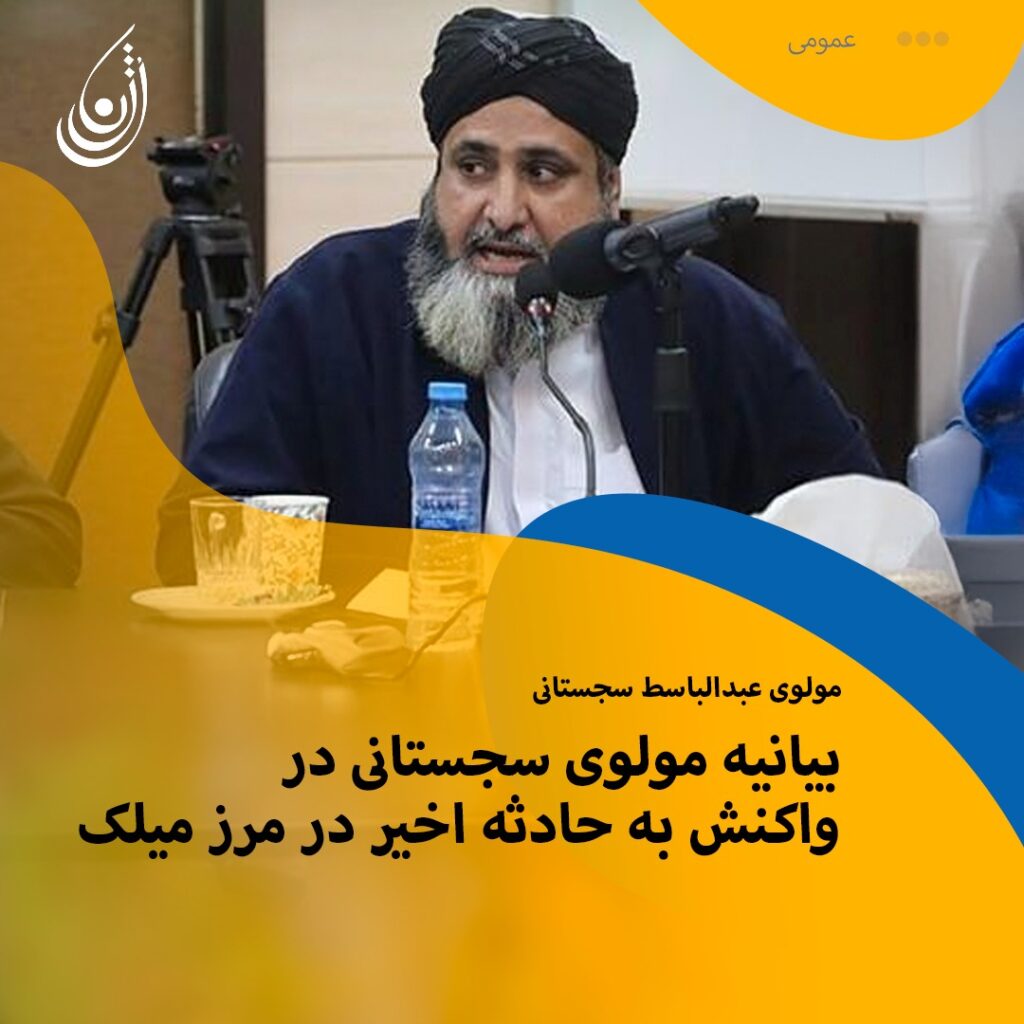
بیانیه مولوی عبدالباسط سجستانی در واکنش به حادثه اخیر در مرز میلک
تلویزیون رُژن | جمعه ۲ آبان ۱۴۰۴ خورشیدی / ۲۴ اکتبر ۲۰۲۵ میلادی
مولوی سجستانی، از علمای اهلسنت سیستانوبلوچستان، در بیانیهای نسبت به آنچه بهعنوان «رفتار ناپسند یک مرزبان با زن سالخورده بلوچ در مرز میلک» گزارش شده، واکنش نشان داد و این رخداد را «دردناک و تأثرانگیز» توصیف کرد.
او در ابتدای سخنان خود گفت که «ظلم و ستم در هر زمان و مکان محکوم است» و افزود که «در ذات برخی از انساننماهای حیوانصفت، توحش و بیرحمی وجود دارد و تنها واکنش قاطع مدافعان مظلومان است که میتواند مانع تکرار چنین حوادثی شود».
مولوی سجستانی با ابراز تأسف از آنچه بر این زن سالخورده گذشته، اظهار داشت: «این رفتار قلبها را جریحهدار کرد و احساس شد که چنین برخوردهایی همواره با مردم تکرار میشود.» او هشدار داد که «چنین رخدادهایی مشکلاتی ایجاد میکند که جبرانناپذیر است و جامعه را دچار زخمهای عمیق میسازد.»
وی در بخش دیگری از بیانیه خود دو پرسش را مطرح کرد: نخست اینکه چرا اطرافیان در چنین صحنههایی بیتفاوت میمانند و از مادر خود دفاع نمیکنند؟ و آیا فقر یا منافع شخصی میتواند غیرت و شهامت را از انسان بگیرد؟
دوم، او از مسئولان مرزبانی خواست تا با برگزاری نشستهای آموزشی و انضباطی، از تکرار چنین اتفاقاتی جلوگیری کنند.
ENStatement by Molavi Abdolbaset Sejestani in Response to the Recent Incident at the Milak BorderRead in English
Rozhn TV | Friday, October 24, 2025
Molavi Sejestani, a Sunni cleric from Sistan and Baluchestan, in a statement reacted to what has been reported as “the vile behavior of a border guard toward an elderly Baloch woman at the Milak border,” describing the incident as “painful and distressing.”
At the start of his remarks he said that “oppression and tyranny are condemned at all times and in all places,” and added that “in the nature of some beastlike pseudo-humans there is savagery and cruelty, and only the decisive response of the defenders of the oppressed can prevent such incidents from being repeated.”
Expressing regret over what had happened to this elderly woman, Molavi Sejestani said: “This behavior wounded hearts, and it was felt that such treatment is constantly repeated against the people.” He warned that “such incidents create problems that cannot be undone and leave deep wounds on society.”
In another part of his statement he raised two questions: first, why do bystanders remain indifferent in such scenes and fail to defend their own mother? And can poverty or personal interest strip a person of honor and courage?
Second, he called on the border guard officials to prevent a repeat of such incidents by holding training and disciplinary sessions.



