بلوچستان · ویدیو
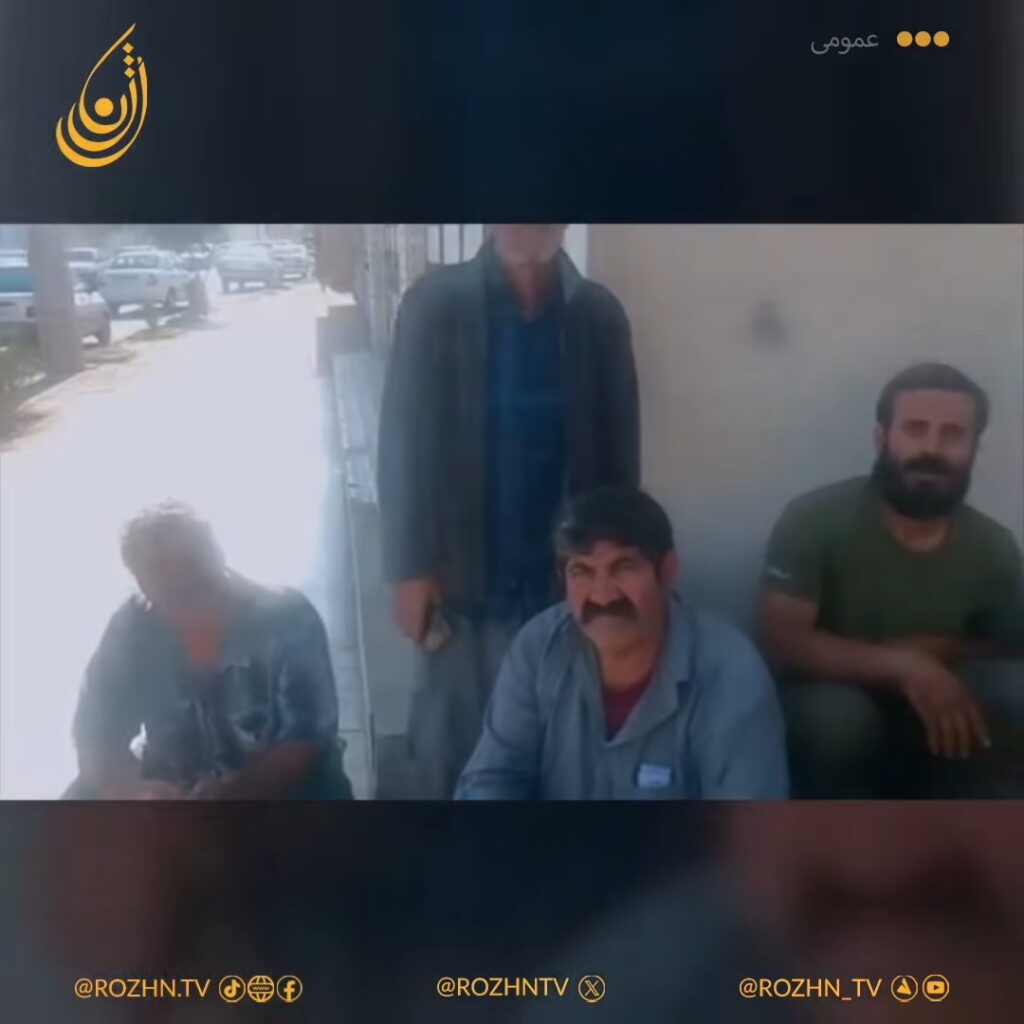
پرسشهایی درباره محرومیت شماری از شهروندان بلوچ از شناسنامه، آموزش و خدمات عمومی
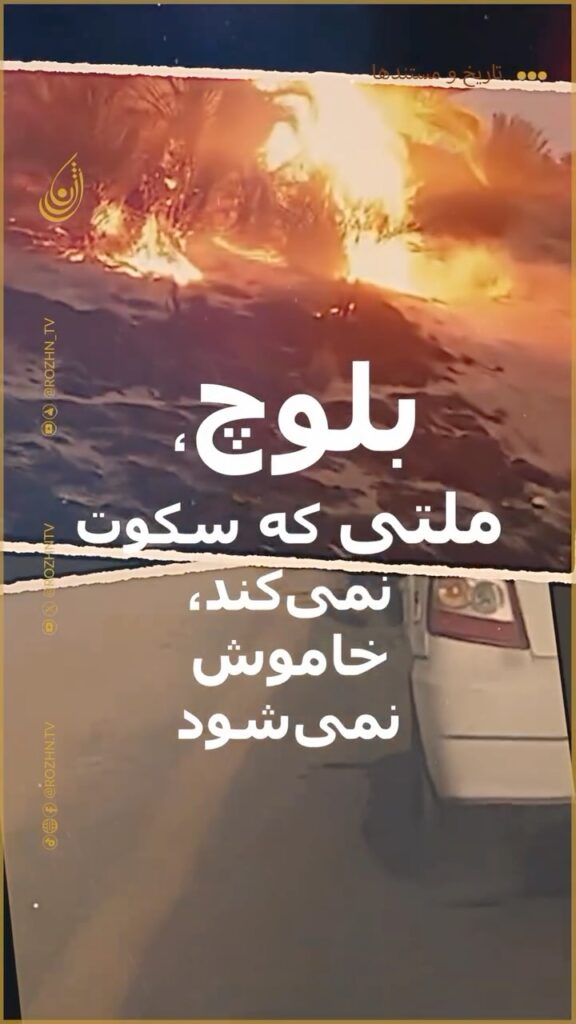
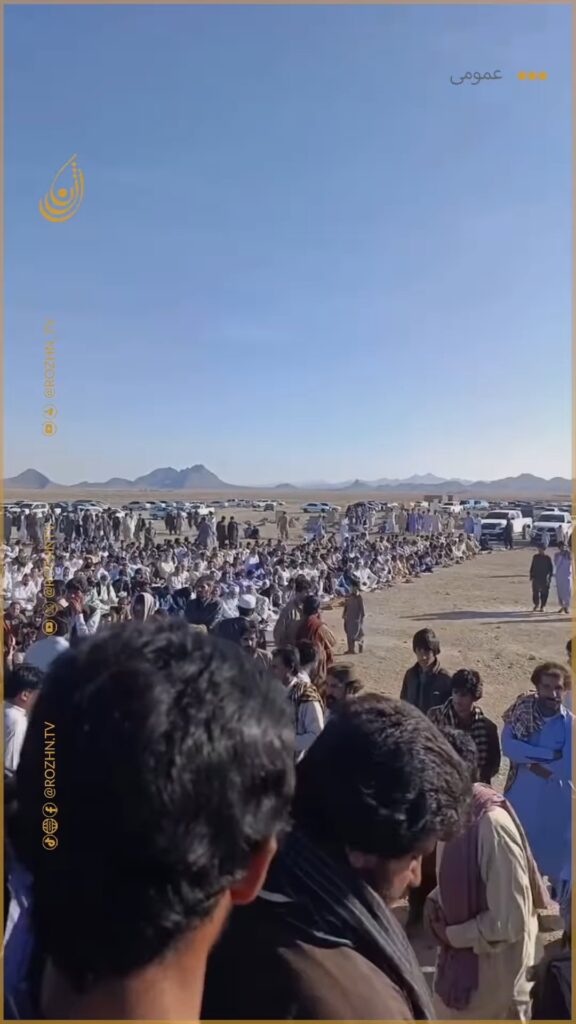
در سرزمین بلوچستان، جایی که فرهنگ، ایمان و تاریخ در هم تنیدهاند، هنوز پرسشهایی بیپاسخ باقی مانده است:
چرا شماری از شهروندان بلوچ از ابتداییترین حقوق خود، مانند شناسنامه، آموزش و خدمات عمومی، محروم ماندهاند؟
چرا در برخورد برخی نهادهای رسمی با آنان، گاه تفاوتهایی دیده میشود که ریشه در نگاههای مذهبی, ملی یا قومی دارد؟
فعالان حقوق شهروندی میگویند این وضعیت، ریشه در برداشتهای نادرست و فاصلههایی دارد که در گذر زمان میان مردم و مذاهب ایرانی ایجاد شده است.
با این حال، مردم بلوچستان از کهنترین مردم این سرزمیناند؛ آنان نه بیوطناند و نه بیریشه — بلکه فرزندان همین خاک و بخشی از تاریخ و وجدان ملی هستند.
تبعیض، حتی اگر در قالب رفتارهای اداری یا تصمیمهای غیررسمی بروز کند، نقض آشکار اصل برابری و کرامت انسانی است. هیچ شهروندی نباید بهدلیل باور دینی، ملی, قومی یا فرهنگی خود از حقوق قانونی یا اجتماعی محروم شود.
اصلاح این وضعیت تنها از مسیر قانونگذاری ممکن نیست، بلکه نیازمند شجاعت اخلاقی، گفتوگوی اجتماعی و آگاهی عمومی است. وقتی صدای شهروندان بلوچ شنیده شود و حرمت همهی اقوام و باورها رعایت گردد، عدالت و برابری معنا مییابد.
بلوچستان نه حاشیه، بلکه بخشی ارزشمند از این سرزمین است — و هرگاه عدالت و برابری در بلوچستان برقرار شود، کرامت و حقوق انسانی برای همه تقویت خواهد شد.
ENQuestions About the Deprivation of Some Baloch Citizens of Identity Documents, Education and Public ServicesRead in English
In the land of Balochistan, where culture, faith and history are intertwined, some questions still remain unanswered:
Why have a number of Baloch citizens been deprived of their most basic rights, such as identity documents, education and public services?
Why, in the treatment of them by some official bodies, are differences sometimes seen that are rooted in religious, national or ethnic outlooks?
Civil rights activists say this situation is rooted in mistaken perceptions and in gaps that have formed over time between the people and the Iranian denominations.
Nevertheless, the people of Balochistan are among the oldest peoples of this land; they are neither stateless nor rootless, but children of this very soil and part of the nation’s history and conscience.
Discrimination, even when it appears in the form of administrative conduct or informal decisions, is a clear violation of the principle of equality and human dignity. No citizen should be deprived of legal or social rights because of his or her religious, national, ethnic or cultural beliefs.
Correcting this situation is not possible through legislation alone; it requires moral courage, social dialogue and public awareness. When the voice of Baloch citizens is heard and the dignity of all ethnic groups and beliefs is respected, justice and equality take on meaning.
Balochistan is not a margin but a valuable part of this land, and whenever justice and equality are established in Balochistan, human dignity and rights will be strengthened for everyone.