سومین سالگرد جمعه خونین خاش
تلویزیون رُژن | سهشنبه ۱۳ آبان ۱۴۰۴ خورشیدی / ۴ نوامبر ۲۰۲۵ میلادی
قاتلان جمعه خونین، همانگونه که پیشبینی میشد، به نوعی تبرئه شدند. در قاموس جمهوری اسلامی، عدالت معنایی تلخ و وارونه دارد صدوبیست انسان بیگناه را در چند ساعت به خاک و خون کشیدن، سیصد تن دیگر را برای همیشه به زنجیر معلولیت بستن، و در مقابل، برای مرگ یک بسیجی، شش نفر را اعدام کردن و دهها نفر را در صف مرگ نگاه داشتن.
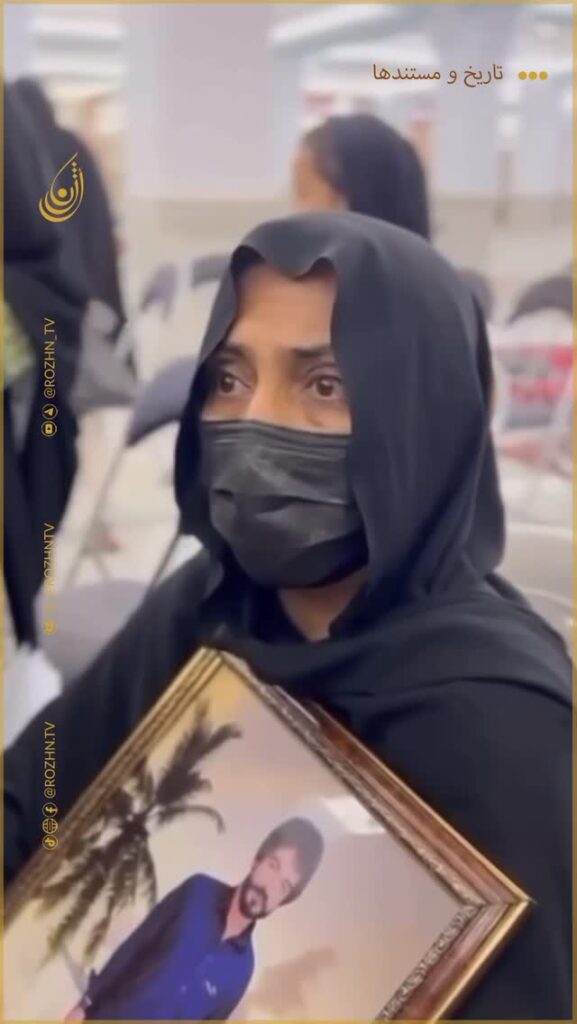
عدالت در این نظام یعنی نشنیدن فریادهای مادرانی که جگرگوشههایشان در خاک آرمیدهاند. عدالت در نگاه جمهوری اسلامی، بیشناسنامه ماندن بلوچهاست؛ مردمانی که یا در مسیر سوختبری جان میبازند یا در اعدامهای هفتگی به مرگی خاموش محکوم میشوند. عدالت برای این مردم، تنها نامی است بر زنجیرهای ظلم، خشونت، و بیعدالتی. عدالت در منظر جمهوری اسلامی یعنی کودک بازمانده از تحصیل.
اما احکام صادره برای آمران و عاملان جمعه خونین، حاوی پیامی تلخ و سنگین بود. پیامی که نه تنها سادهاندیشان، بلکه خیانتکاران به خون شهدا را مخاطب قرار داد؛ آنان که خواسته یا ناخواسته، در دفاع از عدالتی دروغین سکوت کردند. این پیام کاملا روشن بود و اینکه شما تا ابد شرمسار مادران داغدار خواهید بود، چرا که با سکوت خود بر جنایتی آشکار مهر تأیید زدید.
این تراژدی، زخمی است که هرگز التیام نخواهد یافت؛ زخمی که نه تنها بر پیکر بلوچستان، بلکه بر وجدان تاریخ حک شده است. عدالت در جمهوری اسلامی، چیزی جز ابزاری برای تحمیل قدرت و تداوم خشونت نیست. این عدالت، هر روز و هر لحظه، جانهای بیگناه را قربانی میکند و فریاد خاموش آنها را در هیاهوی استبداد محو میسازد. اما این فریادها،هرگز خاموشی نمیپذیرند؛ پژواک آنها در تاریخ باقی میماند و از نسلهای آینده طلب حقیقت میکند.
ENThird Anniversary of Khash Bloody FridayRead in English
Rozhn TV | Tuesday, November 4, 2025
As was predicted, the killers of Bloody Friday were in effect acquitted. In the lexicon of the Islamic Republic, justice has a bitter, inverted meaning: to bring 120 innocent people down in dust and blood in a few hours, to chain 300 others to permanent disability, and, in contrast, to execute six people for the death of one Basiji and keep dozens more on death row.
Justice in this system means not hearing the cries of mothers whose beloved children lie in the earth. Justice in the eyes of the Islamic Republic means the Baloch remaining without identity papers; a people who either lose their lives on the fuel-porting routes or are condemned to a silent death in weekly executions. For these people, justice is merely a name attached to chains of oppression, violence and injustice. Justice from the perspective of the Islamic Republic means a child kept out of school.
But the verdicts issued for the orderers and perpetrators of Bloody Friday carried a bitter and heavy message. A message that addressed not only the naive but also those who betrayed the blood of the martyrs; those who, knowingly or unknowingly, stayed silent in defense of a false justice. The message was completely clear: you will forever be ashamed before the grieving mothers, because by your silence you put a seal of approval on an open crime.
This tragedy is a wound that will never heal; a wound etched not only on the body of Balochistan but on the conscience of history. Justice in the Islamic Republic is nothing but a tool for imposing power and perpetuating violence. This justice, every day and every moment, sacrifices innocent lives and fades their silent cries in the din of tyranny. But these cries never accept silence; their echo remains in history and demands the truth from future generations.