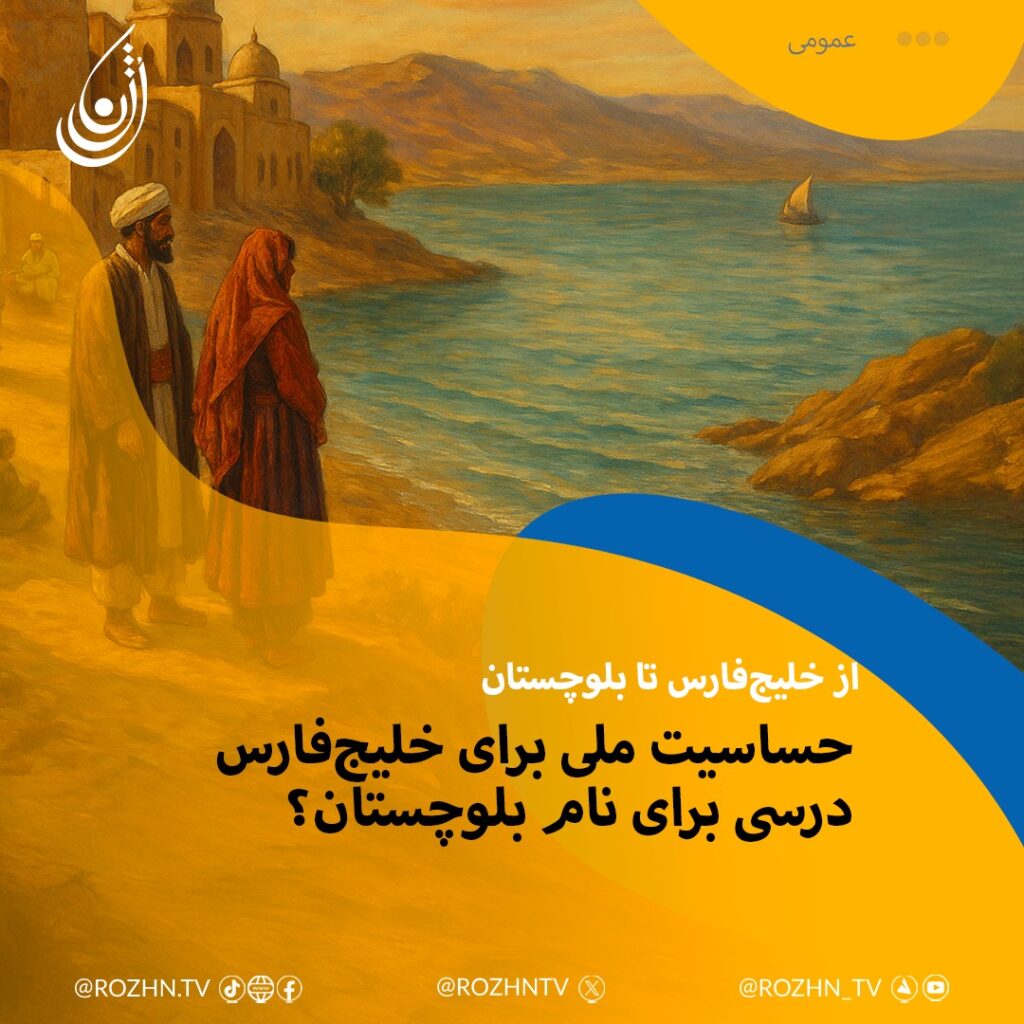
نامها و منافع ملی؛ از خلیج فارس تا بلوچستان
جمعه ۱۹ اردیبهشت ۱۴۰۴ خورشیدی / ۹ مه ۲۰۲۵ میلادی
در حالی که برخی تحلیلگران سیاست خارجی نسبت به احتمال طرح مسئله تغییر نام «خلیج فارس» در مذاکرات آینده ایران و آمریکا ابراز نگرانی کردهاند، در داخل کشور نیز گاه زمزمههایی درباره تغییر یا حذف برخی نامهای جغرافیایی ریشهدار از جمله «بلوچستان» به گوش میرسد. این همزمانی، از دو منظر دارای اهمیت است:
نامها؛ ابزار فشار یا سرمایه اجتماعی؟
تحلیلها نشان میدهند که تغییر نامهایی چون خلیج فارس میتواند در چارچوب چانهزنیهای دیپلماتیک مطرح شود. از سوی دیگر، حذف یا کماهمیت جلوهدادن نامهایی مانند بلوچستان در عرصه سیاست داخلی، میتواند به تضعیف سرمایه اجتماعی و احساس تعلق قومی میان اقوام ایرانی منجر شود و اعتماد عمومی به نهادهای رسمی را کاهش دهد
هویت تاریخی؛ بخشی از میراث ملی
واژههایی چون «خلیج فارس» و «بلوچستان» صرفاً نشانههای جغرافیایی نیستند، بلکه حامل مفاهیم تاریخی، فرهنگی و اجتماعی عمیق هستند. این نامها قرنها در متون تاریخی، مکاتبات رسمی و حافظه جمعی مردم ثبت شدهاند. بیتوجهی به این مفاهیم میتواند زمینهساز خلأ هویتی و تقویت روایتهایی شود که الزاماً در راستای منافع ملی عمل نمیکنند
سکوت در برابر حذف هویت، خطر زنجیرهای دارد
همانگونه که در واکنشها به تغییر نام خلیج فارس هشدار داده شده که چشمپوشی از یک نام میتواند سرآغاز سلسلهای از واگذاریها باشد، در حوزه سیاست داخلی نیز حذف تدریجی نامهایی چون بلوچستان میتواند در آینده به نادیدهگرفتن سایر مؤلفههای هویتی اقوام ایرانی بیانجامد
نامها حامل تاریخ، هویت و پیوست اجتماعی ملتها هستند. همانگونه که حفظ نام خلیج فارس، نماد آگاهی تاریخی و غرور ملی است، صیانت از نامهایی چون بلوچستان نیز بخش ضروری سیاستهای همگرایانه در داخل کشور به شمار میآید
ENNames and National Interests: From the Persian Gulf to BalochistanRead in English
Rozhn TV | Friday, May 9, 2025
While some foreign policy analysts have expressed concern about the possibility that the question of renaming the “Persian Gulf” could be raised in future Iran-US negotiations, murmurs are also sometimes heard inside the country about changing or removing certain deeply rooted geographical names, including “Balochistan.” This coincidence is significant from two perspectives:
Names: A Tool of Pressure or Social Capital?
Analyses suggest that changing names such as the Persian Gulf could be raised within the framework of diplomatic bargaining. On the other hand, removing or downplaying names such as Balochistan in domestic politics could weaken social capital and the sense of ethnic belonging among Iran’s ethnic groups, and reduce public trust in official institutions
Historical Identity: Part of the National Heritage
Words such as “Persian Gulf” and “Balochistan” are not merely geographical markers; they carry deep historical, cultural and social meanings. These names have been recorded for centuries in historical texts, official correspondence and the collective memory of the people. Disregarding these meanings could create an identity vacuum and strengthen narratives that do not necessarily serve the national interest
Silence in the Face of Identity Erasure Carries a Risk of Chain Reaction
Just as reactions to the renaming of the Persian Gulf have warned that overlooking one name could be the start of a series of concessions, in domestic politics too the gradual removal of names such as Balochistan could in future lead to the disregard of other identity components of Iran’s ethnic groups
Names carry the history, identity and social attachment of nations. Just as preserving the name of the Persian Gulf is a symbol of historical awareness and national pride, safeguarding names such as Balochistan is also considered a necessary part of integrative policies inside the country