بلوچستان · ویدیو
مالاریا؛ مهمترین بیماری مناطق گرمسیری و نیمهگرمسیری جهان
ENMalaria: The Most Important Disease of the World’s Tropical and Subtropical RegionsRead in English
Friday, April 25, 2025
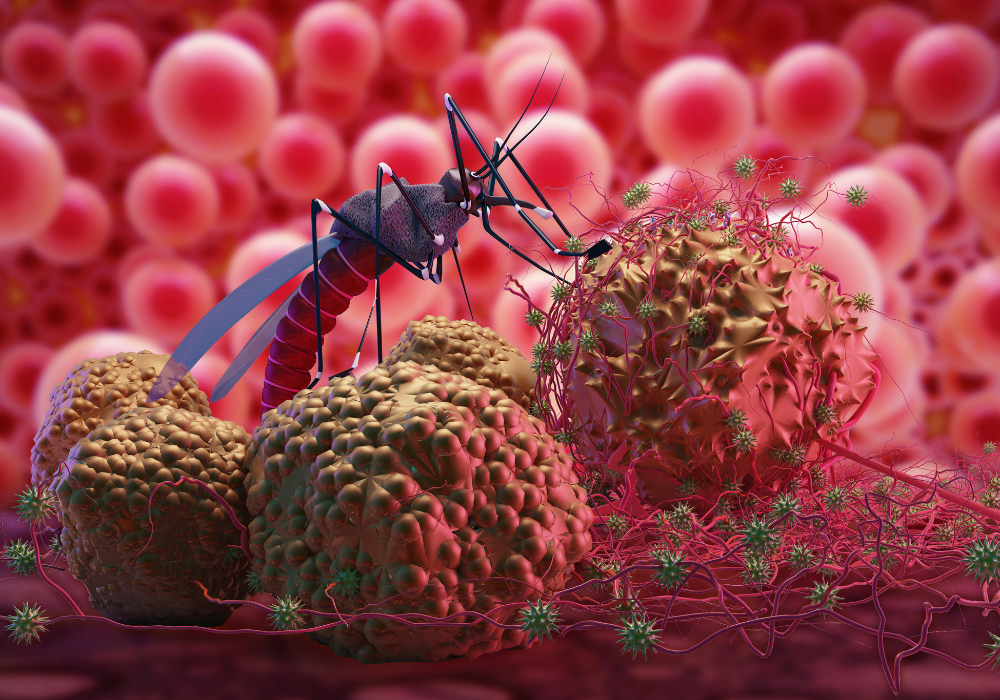
Malaria is a dangerous parasitic disease transmitted from an infected person to a healthy one by the bite of the Anopheles mosquito. Its symptoms include chills, fever, headache and dizziness, sweating, nausea and vomiting. In severe cases, malaria can lead to the patient’s death.
The disease is prevalent mainly in tropical and subtropical regions, where suitable temperature and humidity conditions increase the population of the mosquito that carries it.
According to the World Health Organization’s 2023 report, an estimated 249 million people worldwide were infected with malaria and 608,000 people died of the disease.
The Impact of the Border and Underlying Crises on the Spread of Malaria in Balochistan
Because it borders Pakistan and Afghanistan and sees constant movement across border areas, particularly in western Balochistan and the Makran region, Iran’s Balochistan province is highly exposed to the spread of this disease.
Multiple underlying and social crises, including:
Heavy traffic across the borders
Smuggling of fuel, people and drugs
Insecurity
International sanctions
Lack of development and investment in infrastructure
The absence of adequate water supply, electricity and housing networks
Shortages of health, medical and educational services
have all caused the prevention and control of malaria in these areas to face serious challenges.
In addition, this year’s recent floods, as a main factor in increased transmission of the disease, have made conditions worse. This crisis clearly reflects the weakness of government management in developing deprived regions such as Balochistan, an area that has still not experienced fair access to basic services.
A post shared by Rozhn TV (@rozhn_tv)